
Alaska Float Ratings
To earn your Airplane Single-Engine Sea (ASES) rating in Alaska with Alaska Float Ratings, you’re essentially doing two things at once:
meeting the FAA’s requirements to add a seaplane class rating to your pilot certificate, and
building the real-world judgement and technique to operate safely in one of the most dynamic floatplane environments on earth.
Below is a detailed overview of what’s required and what you can expect.
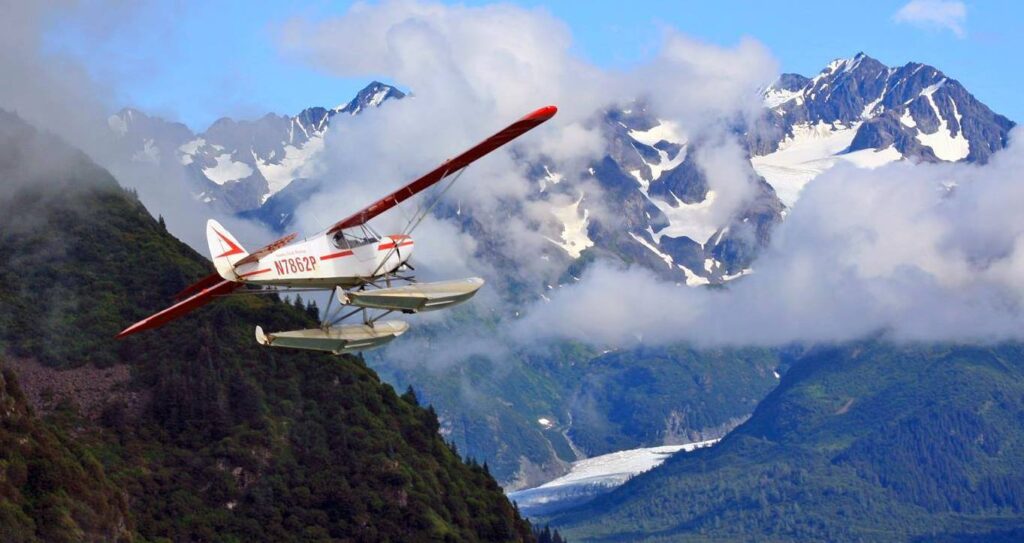
What “ASES” actually is…
ASES is a class rating added to an existing pilot certificate (most commonly to a Private Pilot or Commercial Pilot certificate). It allows you to act as PIC of single-engine seaplanes (floatplanes).
This is not a “certificate” by itself in the way Private or Commercial is; it’s an additional class on your certificate, earned by training to proficiency and then passing a practical test (“checkride”) with a DPE.
Eligibility prerequisites (what you need before training)
Most ASES applicants already have:
-
At least a Private Pilot certificate (Airplane Single Engine Land is most common)
-
A current FAA medical appropriate to the privileges you intend to use (or BasicMed, if applicable)
-
A current flight review (not always strictly required to take training/checkride, but commonly needed for practical flying privileges)
-
Current photo ID
-
English language proficiency and the ability to read/understand FAA materials and checkride standards
If you’re a Sport Pilot, there are pathways too—but the most typical ASES “add-on” is for Private and Commercial pilots.
The FAA training requirement (how the rating is earned)
The ASES rating is normally earned under 14 CFR §61.63 (Additional aircraft category or class rating). In plain terms, you must:
-
Receive and log training from an authorized instructor in a seaplane
-
Become proficient in the required seaplane operations and knowledge areas
-
Receive an instructor endorsement to take the practical test
-
Pass the ASES practical test with a DPE
No FAA minimum flight hours are specified for the add-on—your training is proficiency-based. In reality, most pilots complete the rating in a structured course that’s designed to prepare you for both the checkride and safe real-world operations.
Training with Alaska Float Ratings: what it typically includes
A strong Alaska-based ASES program generally blends three major components:
1) Ground training (knowledge you must master)
You’ll cover the FAA-required aeronautical knowledge plus Alaska-specific operational reality, including:
-
Seaplane aircraft systems (floats, rigging, water rudders, bilge/compartments, corrosion considerations)
-
Hydrodynamics fundamentals
-
displacement vs. plowing vs. on-the-step
-
step taxi control, porpoising avoidance, pitch/drag relationships
-
glassy water behavior and why it’s so dangerous if mishandled
-
-
Wind, waves, currents, and water surface reading
-
Seaplane performance and limitations
-
takeoff distance realities, “abort points,” density altitude effects, and “go/no-go” judgement
-
-
Rules and operational decision-making
-
right-of-way on water, seaplane-specific regs/expectations, and practical local procedures
-
-
Risk management and ADM
-
Alaska weather variability, mountain effects, “get-there-itis,” and conservative planning
-
-
Emergency procedures
-
engine failures after takeoff, docking incidents, water handling problems, capsizing considerations, and egress mindset
-
You’ll also brief practical test standards, common checkride questions, and scenario-based planning.
2) Flight training (maneuvers and operations you must demonstrate)
Your flight training builds the core ASES skill set. Expect to learn and practice:
-
Preflight and float-specific inspections (water rudders, compartments, attachments, spray rails, etc.)
-
Docking and mooring
-
approaching and departing docks
-
sailing techniques and wind management
-
ropes/knots fundamentals and tie-down strategies
-
-
Taxi operations
-
idle taxi
-
plow taxi
-
step taxi
-
step turns, crosswind controls, and safe speed management
-
-
Normal takeoffs and landings
-
Crosswind takeoffs/landings (as conditions allow)
-
Rough water techniques (recognizing when not to go)
-
Confined area operations (when appropriate and safe for the training environment)
-
selecting a takeoff/landing path
-
escape routes
-
wind indicators in mountainous terrain
-
-
Glassy water landings
-
stabilized approach, attitude control, power management, and the disciplined technique that prevents hard impacts
-
-
Emergency operations
-
rejected takeoffs and decision points
-
engine-out scenarios, forced landing planning on water, abnormal water handling
-
Because you’re training in Alaska, you’ll also get the huge advantage of learning in a place where terrain, wind, and water conditions demand real precision—done safely under instructor supervision.
3) Course structure and “to-proficiency” pacing
Most ASES programs are designed as an immersive experience (often over a few days), blending:
-
short ground blocks before/after flights,
-
frequent debriefs with video/whiteboard style review,
-
and progressive water work—from basics to more complex conditions as skill builds.
Your timeline depends on experience, comfort on the water, local weather, and how quickly the technique “clicks.” Some pilots arrive highly proficient in landplanes but need time to retrain instincts—floatplanes reward patience, finesse, and disciplined energy management.
Testing requirement: the ASES checkride
Once your instructor signs you off, you’ll take the FAA practical test with a DPE. The checkride typically includes:
Oral exam
Scenario-driven discussion covering:
-
seaplane limitations and performance planning
-
weather decisions and risk management
-
float systems and water operations
-
regulations and real-world judgement calls
Flight portion
Demonstrating the required seaplane maneuvers and operations to a safe, consistent standard—especially water handling, takeoffs/landings, and procedures like glassy water technique (conditions permitting) and docking/seamanship competence.
What you should bring / prepare
To set yourself up for success, you’ll typically want:
-
Your pilot certificate + medical (or BasicMed) + government photo ID
-
Logbook (paper or electronic) with appropriate currency endorsements
-
Headset, sunglasses (non-polarized), and clothing for Alaska conditions (layers matter)
-
A readiness mindset: you’re learning a new “environment,” not just a new airplane
It also helps to show up having reviewed:
-
basic seaplane terminology
-
your aircraft performance planning habits
-
common FARs for Part 61 pilots
-
risk management frameworks (PAVE/5P, etc.)
Why Alaska Float Ratings specifically (and why Alaska matters)
A float rating earned in Alaska isn’t “harder” for the sake of being hard—it’s valuable because the environment teaches you things that flat, warm-water training often can’t:
-
reading wind on water and in mountain corridors
-
recognizing hazards quickly (surface, shoreline, obstacles, rapidly changing weather)
-
building conservative decision-making habits in a place that rewards good judgement
-
learning technique that translates anywhere—because it was built under real variability
In other words: you’re not only earning a rating—you’re gaining seaplane competence.
The end result
When you complete the ASES course and pass the practical test, your pilot certificate will show:
Airplane Single Engine Sea added to your privileges.
And more importantly, you’ll leave with:
-
confident water handling skills,
-
a disciplined approach to glassy water, crosswinds, and surface evaluation,
-
improved stick-and-rudder finesse,
-
and a much sharper risk-management mindset—especially in mountain and wilderness environments.
Alaska Float Ratings is proudly powered by WordPress